

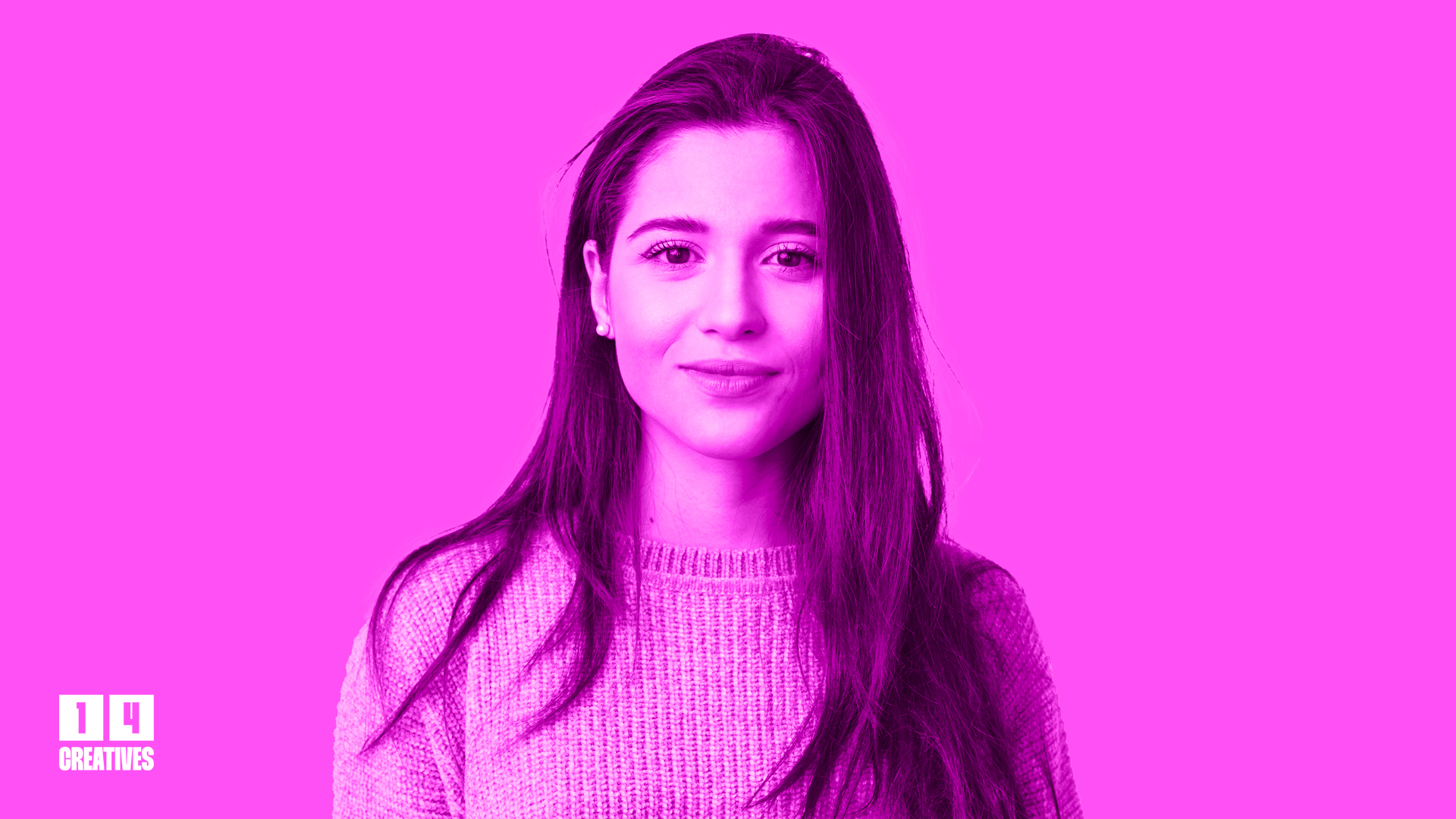
Portrait photography is a wonderful way of capturing a person’s unique personality, mood, and expression. It’s an art form that takes time, patience, and skill to master. With the right techniques, you can create images that are both beautiful and timeless. As we move into 2023, portrait photography is becoming more and more popular, and for good reason. It’s a great way to preserve memories and to capture the essence of the people around us. In this post, we’ll be sharing with you some expert tips on how to master the art of portrait photography. From choosing the right equipment and lighting to posing your subjects and editing your photos, we’ve got you covered. So, whether you’re a seasoned pro or just starting out, read on to learn how to capture stunning portraits that you’ll cherish for years to come.
Introduction: The beauty of portrait photography
Portrait photography is a beautiful art form that has been around since the invention of the camera. It captures the essence of a person, showcasing their personality, emotions, and unique features. When done right, portrait photography can create stunning images that are timeless and evoke powerful emotions.
In portrait photography, the subject is the main focus of the image. The photographer uses composition, lighting, and other techniques to capture the essence of the person in front of the camera. Whether you’re a professional photographer or just starting out, mastering the art of portrait photography is something that can take years to perfect.
However, with the right tips and techniques, you can start capturing stunning portraits in 2023. From selecting the right equipment to understanding composition and lighting, there are a lot of factors to consider when taking portrait photographs.
Whether you’re taking portraits of loved ones or clients, the beauty of portrait photography is that it captures the essence of the person in front of the camera. In this blog post, we’ll share expert tips and tricks to help you master the art of portrait photography and create stunning images that will last a lifetime.
Understanding the basics of portrait photography
Before diving into the world of portrait photography, it’s important to understand the basics. Portrait photography is all about capturing the essence of the subject – their personality, emotions, and mood. To do so, you need to focus on a few key elements, such as lighting, composition, and posing.
Firstly, lighting is crucial in portrait photography. The right lighting can make or break your shot. Natural light is often the best option, as it is soft and flattering. Try to shoot during the “golden hours” – the hour after sunrise and the hour before sunset – as this is when the light is most beautiful. If you are shooting indoors, consider using a softbox or reflector to create soft, even lighting.
Secondly, composition is another important element to consider. A good composition can add depth and interest to your portrait. Experiment with different angles, such as shooting from above or below, and try to frame your subject in a way that draws the viewer’s eye to them.
Lastly, posing is crucial in portrait photography. A good pose can convey the subject’s personality and mood, and it can make them feel more comfortable in front of the camera. Encourage your subject to relax and have fun, and provide them with guidance on how to pose. Keep in mind that subtle changes in posture and facial expression can make a big difference in the final image.
By understanding these basics of portrait photography, you will be on your way to capturing stunning portraits that truly capture the essence of your subjects.
Five essential equipment for exceptional portrait photography
To capture stunning portraits, you need the right equipment. While the quality of your equipment is important, it is equally important to know how to use it. Here are the five essential equipment for exceptional portrait photography:
1. Camera: A good camera with manual controls is crucial for portrait photography. A full-frame DSLR or mirrorless camera with a high megapixel count will ensure that you capture the finest details in your portraits.
2. Lens: A good lens is just as important as a good camera. A 50mm or 85mm prime lens with a wide aperture (f/1.2-f/2.8) is ideal for portrait photography. Such a lens creates a beautiful bokeh effect, blurring the background while keeping the subject in sharp focus.
3. Tripod: A tripod will help you keep your camera steady and prevent shaky hands from ruining your shots. A sturdy tripod with a center column that can go low to the ground will be useful for capturing portraits from different angles.
4. Lighting: Good lighting is crucial for portraits. A studio strobe or an off-camera flash with a softbox or umbrella can help you create soft, flattering light for your subjects. If you’re shooting outdoors, a reflector or diffuser can help you control the natural light.
5. Memory cards and batteries: High-capacity memory cards and extra batteries are essential for portrait photography. You don’t want to run out of storage space or have your camera die in the middle of a shoot.
Investing in quality equipment and knowing how to use it will help you capture exceptional portraits that your clients will love.
How to prepare for a portrait photography shoot
Preparing for a portrait photography shoot can make a big difference in getting stunning results. Here are some tips to help you prepare:
1. Scout the location: Before the shoot, visit the location to get a sense of the lighting, background, and other environmental factors that may affect your shoot. This will help you plan the angles, equipment, and lighting setup for the shoot.
2. Communicate with the subject: It’s important to communicate with your subject before the shoot to understand their personality, style, and preferences. This will help you plan the shoot and make your subject feel more comfortable during the shoot.
3. Choose the right equipment: Depending on the location and lighting conditions, you may need to choose the right equipment for the shoot. Consider factors such as the camera, lenses, lighting, and props that you may need to capture stunning portraits.
4. Plan the poses and shots: Plan the poses and shots that you want to capture during the shoot. This will help you stay organized and ensure that you don’t miss any important shots.
5. Bring a backup plan: It’s always a good idea to have a backup plan in case of unexpected weather or other issues that may arise during the shoot. Bring backup equipment, such as extra batteries and memory cards, and have a backup location in mind in case your original location falls through.
By following these tips, you can ensure that you are well-prepared for your portrait photography shoot and capture stunning portraits that will leave your subject thrilled with the results.
Techniques for making your subject comfortable
Making your subject comfortable is critical when it comes to portrait photography. Your subjects will be more relaxed, and they’ll trust you more if they feel comfortable around you. This, in turn, will make for better photos.
One of the most effective ways to achieve this is to establish a rapport with your subject before the photo shoot begins. Spend some time talking to them, getting to know them, and finding out what they’re expecting from the shoot. Ask them about their interests and hobbies, and try to find some common ground. This will help break the ice and make them feel more at ease.
You can also make your subject more comfortable by giving them some direction during the photo shoot. Many people feel awkward and uncomfortable when they’re not sure what to do in front of the camera. Be clear and concise in your instructions, and make sure they understand what you’re asking them to do. A good way to do this is to show them examples of poses you’d like them to try.
Another great technique is to play some music during the shoot. Music can help to relax your subject and create a more comfortable atmosphere. Make sure it’s music that they like, and not something that will make them feel even more nervous.
Finally, don’t forget to give your subject some positive feedback during the shoot. Let them know when they’re doing a great job, and show them some of the photos you’ve taken so far. This will boost their confidence and help them to feel more relaxed and comfortable in front of the camera.
How to select the right location for a portrait shoot
Selecting the right location for a portrait shoot can make or break the final result. The right location can bring out the character of the subject and add depth to the photograph. When selecting a location, it is important to consider the lighting, the background, and the surroundings.
If you are shooting outdoors, it is important to consider the time of day and the direction of the light. The golden hour, which is the hour after sunrise or the hour before sunset, is often the best time to shoot because the light is soft and warm. However, if you are shooting in the middle of the day, you may need to find a location that provides shade or diffused light to avoid harsh shadows.
The background is also an important consideration. You want to choose a background that complements the subject and doesn’t distract from them. A busy or cluttered background can take away from the subject and make the photograph feel chaotic. On the other hand, a simple, uncluttered background can bring focus to the subject and make them stand out.
Finally, the surroundings can also play a role in the final result. If you are shooting in a public place, you may need to consider the crowds and noise. If you are shooting in a private location, you may need to consider accessibility and safety.
Overall, selecting the right location for a portrait shoot requires careful consideration of the lighting, background, and surroundings. With the right location, you can capture stunning portraits that truly showcase your subject’s personality and character.
The art of posing your subject
Posing your subject is an art form in itself and can make or break your portrait photography. The right pose can accentuate your subject’s best features and convey the desired mood or emotion. While the wrong pose can make them look awkward and uncomfortable.
Before you start shooting, it’s essential to establish a rapport with your subject and make them feel comfortable in front of the camera. Proper communication and direction can go a long way in achieving the desired pose and expression.
When it comes to posing, the possibilities are endless, and it’s essential to find a pose that suits your subject’s personality and style. Experimenting with different angles, body positions, and facial expressions can help you find the perfect pose.
It’s also essential to pay attention to the details, such as the placement of hands, head angle, and body posture, as they can have a significant impact on the overall look of the portrait. For example, tilting the head slightly can convey a sense of vulnerability or shyness, while a straight-on gaze can convey confidence and strength.
Finally, don’t be afraid to get creative with your poses. Adding props or incorporating the environment can help add depth and interest to your portraits. Just remember to keep the focus on your subject and ensure that the pose enhances their natural beauty and personality.
Lighting, angles, and composition for a perfect portrait
Photography is an art form, and portrait photography is no different. To capture stunning portraits, you need to pay attention to the lighting, angles, and composition. These factors work together to create the perfect portrait.
Firstly, lighting is essential to portrait photography. The right lighting can help to highlight the subject’s features and bring out the best in their appearance. Natural light is often the best choice, but if you’re working indoors, you may need to use artificial lighting to achieve the desired effect.
The angle at which you shoot a portrait can also make a big difference. Shooting from a low angle can make the subject appear more powerful or dominant, while shooting from a higher angle can make them appear more vulnerable or submissive. It’s important to experiment with different angles to find the most flattering one for your subject.
Finally, composition is the arrangement of elements in your photograph. This includes the subject’s pose and placement within the frame, as well as the background and any props or accessories used. A good composition can enhance the overall impact of your portrait and make it truly stunning.
In summary, mastering the art of portrait photography requires attention to detail in lighting, angles, and composition. Take the time to experiment with different techniques and find the ones that work best for your subject and your style of photography. With practice and patience, you’ll be able to capture stunning portraits that truly showcase the beauty of your subject.
Post-processing: How to enhance the beauty of your portrait
Post-processing is an essential part of portrait photography, and it can make a significant difference in the final outcome of your images. With the help of post-processing tools, you can enhance the beauty of your portraits and make them look more polished and professional.
One of the most important things to consider when it comes to post-processing is to maintain a natural and realistic look. While it may be tempting to over-edit your images to make them look perfect, this can often have the opposite effect and make your portraits look unnatural and artificial. Instead, focus on enhancing the natural beauty of your subjects and making small adjustments to improve the overall look and feel of your images.
Some of the most common post-processing techniques used in portrait photography include adjusting the exposure, contrast, and color balance of your images. You can also use tools like dodge and burn to highlight certain areas of your image and create more depth and dimensionality. Additionally, you can use skin smoothing and blemish removal tools to create a flawless finish for your subjects.
It’s important to remember that post-processing is not a substitute for good photography skills. While you can certainly enhance the beauty of your portraits with post-processing, it’s important to start with a well-composed and well-lit photo to begin with. By mastering both your photography skills and your post-processing techniques, you can create stunning portraits that capture the true essence and beauty of your subjects.
Conclusion: Mastering the art of portrait photography
In conclusion, mastering the art of portrait photography requires a lot of practice, patience, and a willingness to experiment. The tips and techniques we’ve discussed here are just the tip of the iceberg, and there’s a lot more to learn about portrait photography. However, by following these expert tips, you’ll be well on your way to capturing stunning portraits in 2023 and beyond.
Remember to focus on your subject, use natural lighting whenever possible, and experiment with composition and angles to create a unique and compelling portrait. Don’t be afraid to step out of your comfort zone and try new things, and always be open to learning from others and improving your skills.
With dedication and hard work, you can become a master of portrait photography and create beautiful, timeless images that will be cherished for years to come. So grab your camera, find a willing subject, and start practicing today!
We hope you found our article on mastering the art of portrait photography helpful. Whether you are a professional photographer or amateur looking to improve your skills, the tips outlined in this blog will help you take your portrait photography to the next level. Remember that practice makes perfect, so don’t be afraid to experiment and try new techniques. With time and dedication, you will master the art of capturing stunning portraits and create a portfolio that you can be proud of. We can’t wait to see the amazing portraits you’ll be capturing in 2023 and beyond!